
KEY HIGHLIGHTS
- ANZ has been hit with Australia’s largest-ever banking penalty after court intervention.
- The Federal Court increased the fine, citing misconduct affecting over 65,000 customers.
- Total cost to ANZ now stands at A$250 million — and reputational damage may hurt even more.
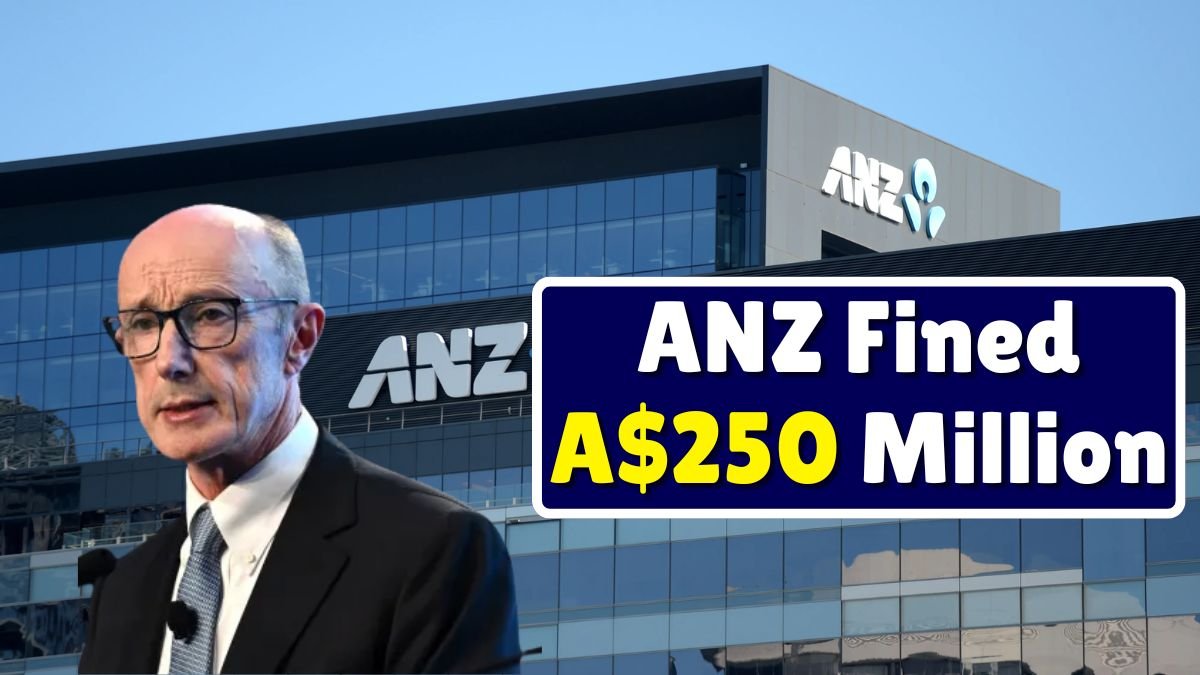
This is not just another bank fine quietly buried in the news cycle. Australia and New Zealand Banking Group (ANZ) has just been ordered to pay a record A$250 million penalty, after the Federal Court decided the original figure simply wasn’t enough.
The extra A$10 million increase, on top of the already agreed A$240 million, sends a very clear message: regulators and courts are done being patient with repeated compliance failures.
For everyday Australians, this ruling matters more than it sounds. The misconduct didn’t just involve paperwork issues — it affected tens of thousands of real customers, including families dealing with deceased estates and people in financial hardship who were ignored for years.
Why the Court Stepped In
Back in September, Australian Securities and Investments Commission and ANZ agreed on a A$240 million penalty following a long investigation. But when the matter reached the Federal Court of Australia, Justice Jonathan Beach wasn’t convinced.
He ruled the penalty needed to be higher due to what he described as “widespread misconduct” and systemic risk failures across the bank’s operations. Importantly, he stressed that penalties should never be treated as a cost of doing business.
| Area of Misconduct | What Went Wrong | Financial Impact |
|---|---|---|
| Savings accounts | Incorrect interest paid to thousands of customers | Customer losses over multiple years |
| Deceased estates | Fees charged to dead customers, delayed responses to families | A$35 million penalty |
| Financial hardship cases | Hundreds of notices ignored, some for over 2 years | Severe customer harm |
| Government bonds | Misreported sales data on A$14 billion in bonds | A$135 million penalty |
| Total penalty | Court-adjusted fine | A$250 million |
The Most Serious Breaches Explained
One of the most troubling findings involved deceased estates. ANZ failed to refund fees charged to thousands of deceased customers and did not respond to families within legally required timeframes. For this alone, the bank was ordered to pay A$35 million.

Equally serious were failures in handling hardship notices. Some customers who flagged financial distress were left waiting more than two years without a response. That’s not a system glitch — that’s a breakdown in basic banking obligations.
Then there’s the government bond issue. ANZ overstated bond trading volumes by billions of dollars for almost two years. According to ASIC, this exposed the Australian Government to significant risk and cost taxpayers around A$26 million.
Executives Still Under Pressure
The ruling landed just one day after ANZ’s annual general meeting, where shareholders openly questioned whether senior leaders had faced real consequences.
Former CEO Shayne Elliott and other executives had already been hit with a combined A$32 million in bonus reductions last month. Even so, many investors said that wasn’t enough.
Mr Elliott has since launched legal action against the bank, adding another layer of tension to an already messy situation.
ASIC’s Message Was Blunt
ASIC chair Joe Longo didn’t mince his words after the ruling.

He said ANZ is a critical part of Australia’s banking system and “must do better”, pointing out that the size of the penalty reflects the harm caused not just to customers, but also to taxpayers and the government.
The regulator made it clear this outcome isn’t just about ANZ. It’s a warning to every major bank that breaking the law comes with real financial and reputational consequences.
What ANZ Says Now
ANZ has responded via a statement to the Australian Securities Exchange, saying it is focused on improving how it manages non-financial risks.
The bank claims a Root Cause Remediation Plan is already underway, aimed at fixing the underlying issues that led to these failures. Whether that’s enough to rebuild trust is another question entirely.
For most Australians, the key takeaway is simple: this case proves regulators and courts are willing to step in when misconduct becomes systemic — and the fines are no longer symbolic.
Frequently Asked Questions
Does this A$250 million fine affect ANZ customers directly?
Not directly in terms of fees, but it puts pressure on the bank to fix systems, improve customer service, and avoid repeat failures that harm customers.

Why was the fine increased by the Federal Court?
The court believed the original A$240 million penalty did not properly reflect the seriousness and scale of the misconduct affecting over 65,000 customers.
Could other banks face similar penalties?
Yes. ASIC has made it clear this case sends a warning to all Australian banks that compliance failures can lead to very large fines.

 Join
Join